
About
The European Molecular Biology Laboratory (EMBL) is a molecular biology research institution supported by 20 European countries and Australia as associate member state. EMBL was created in 1974 and is an intergovernmental organisation funded by public research money from its member states. Research at EMBL is conducted by approximately 85 independent groups covering the spectrum of molecular biology. The Laboratory operates from five sites: the main Laboratory in Heidelberg, and Outstations in Hinxton (the European Bioinformatics Institute (EBI)), Grenoble, Hamburg, and Monterotondo near Rome.
-
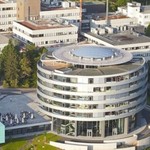 Image 1 EMBL Heidelberg. Source: Wikipedia.
-
 Image 2 Advanced training centre (ATC).
-
 Image 3 ATC inside.
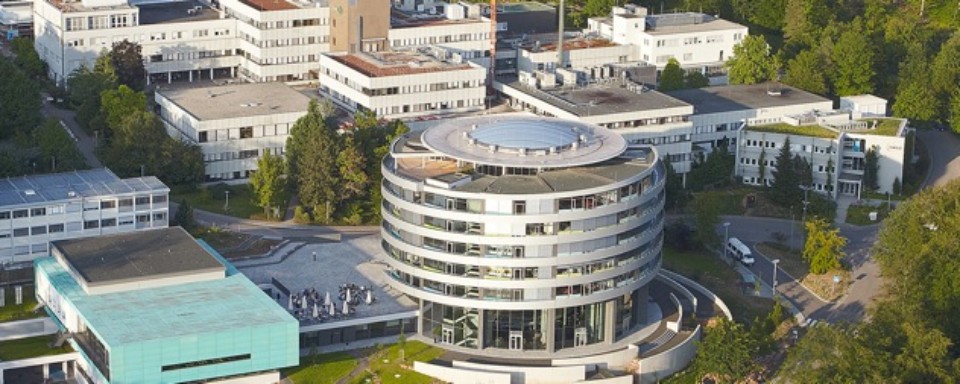 Image 1
 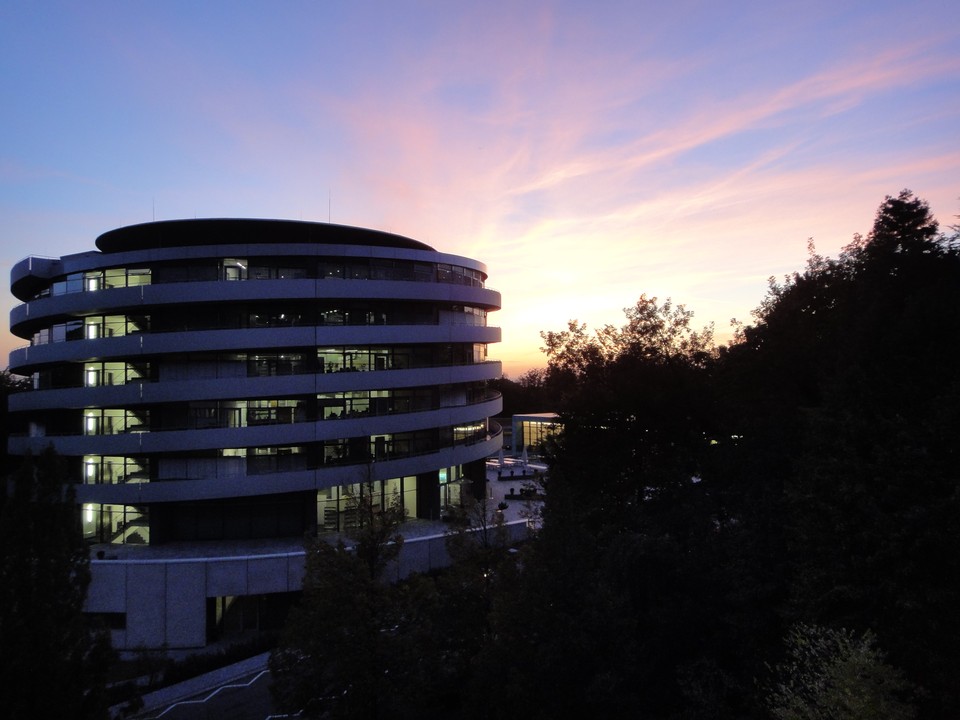 Image 2
 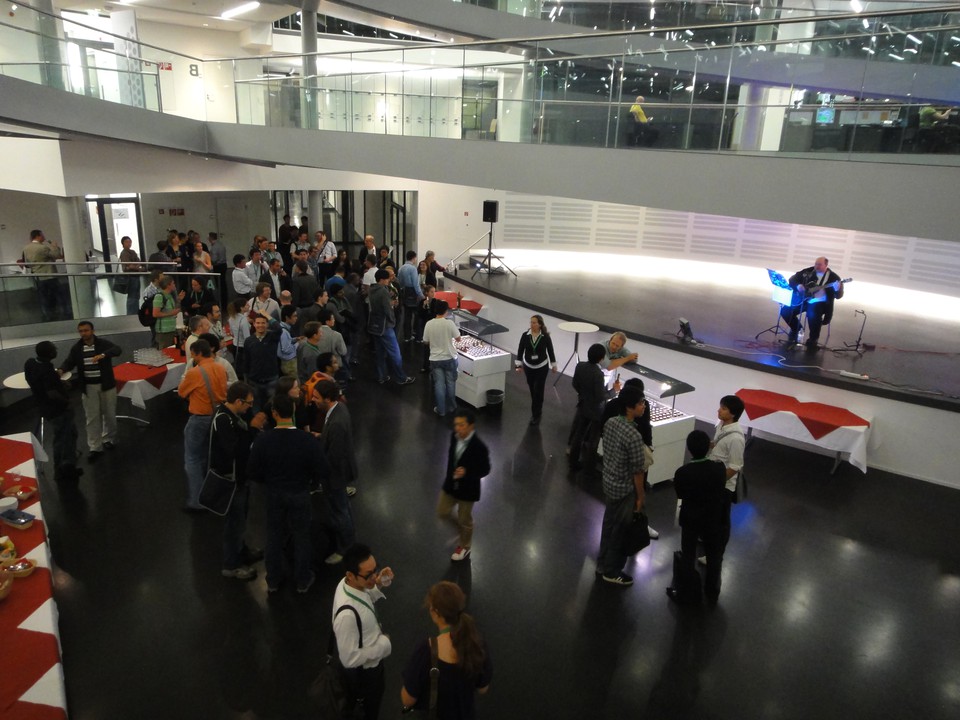 Image 3
 Research at EMBL
Each of the sites has a specific research field. The EBI is a hub for bioinformatic research and services, developing and maintaining a large number of databases which are free of charge for the scientific community. At Grenoble and Hamburg, research is focused on structural biology. EMBL's dedicated Mouse Biology Unit is located in Monterotondo. At the headquarters in Heidelberg, there are units in Cell Biology and Biophysics, Developmental Biology, Genome Biology and Structural and Computational Biology as well as service groups complementing the aforementioned research fields.
Many scientific breakthroughs have been made at EMBL, most notably the first systematic genetic analysis of embryonic development in the fruit fly by Christiane Nüsslein-Volhard and Eric Wieschaus, for which they were awarded the Nobel Prize for Medicine in 1995.
Mission
The cornerstones of EMBL's mission are manifold. Basic research in molecular biology and molecular medicine is performed; scientists, students and visitors at all levels are trained; vital services to scientists in the member states are offered; new instruments and methods in the life sciences are developed; and there is an active engagement in technology transfer.
Training
Advanced training is one of EMBL's four core missions. Over the years, the Laboratory has established a number of training activities, of which the EMBL International PhD Programme (EIPP) is the flagship - it has a student body of about 200, and since 1997 has had the right to award its own degree. Other activities include the postdoctoral programme, including the EMBL Interdisciplinary Postdoctoral programme (EIPOD); the European Learning Laboratory for the Life Sciences (ELLS) for teacher training; and the Visitor Programme.
EMBL Advanced Training Centre (ATC)
In March 2010, the EMBL Advanced Training Centre (ATC) was inaugurated on the main campus in Heidelberg. Shaped in the form of a double helix, it hosts world-class conferences and provides state-of-the-art training opportunities.
Science and Society
EMBL also runs an active Science and Society Programme which offers activities and events on current questions in life science research for the general public and the scientific community.
Head: Dr. Iain Mattaj
Disciplines
Molecular biology
Structure relations
Node is the same as European Molecular Biology Laboratory.
Contact details
Please sign in to see contact details.
Stats
- Recommendations 0 0% positive of 1 vote(s)
- Views
- Comments 0