
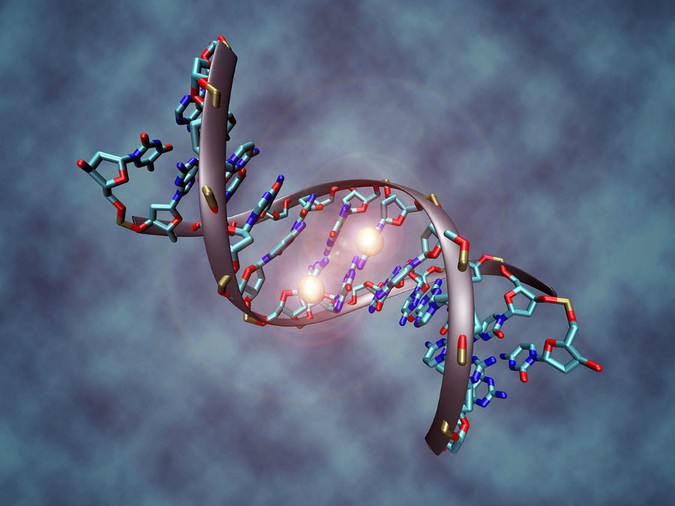
CancerLocator, developed by UCLA researchers, was superior in detecting cancer in blood samples containing low levels of target DNA, which reflect early-stage disease.
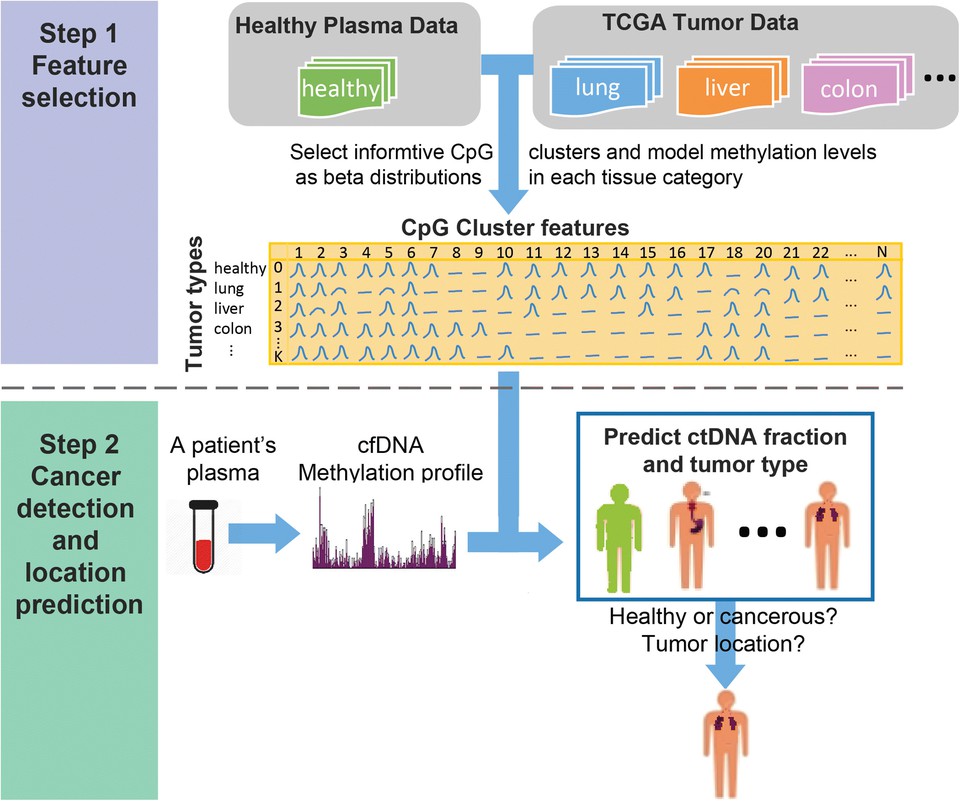 Image 1
 UCLA researchers, working with colleagues at the University of Southern California, have developed a computer program to detect cancer based on chemical modification of DNA circulating in blood. The program belongs to the first diagnostics of this kind to predict what tissue the modified DNA came from. In a test to detect three cancer types, the computer program, known as CancerLocator, outperformed two common approaches and was superior in detecting cancer in blood samples containing low levels of target DNA, which reflect early-stage disease.
Recent molecular advances have raised the possibility of detecting cancer in body fluids like blood or saliva. First, scientists found that DNA (most of which resides inside a cell’s nucleus) occasionally leaks from dying cells and circulates as fragments in blood, where it is detectable by methods like DNA sequencing. At the same time, cancer researchers began reporting that DNA from numerous cancers often displays abnormal patterns of a modification called methylation, providing an excellent diagnostic target.
The team used CancerLocator and two popular machine learning methods (Support Vector Machine and Random Forest) to analyze Cell Free DNA (small DNA fragments found circulating in plasma or serum) methylation data derived from three groups of people: 29 with liver cancer, 12 with lung cancer and five with breast cancer. The researchers tested each sample 10 times. The Random Forest and Support Vector Machine methods had an overall error rate of 0.646 and 0.604 respectively, while CancerLocator obtained a lower error rate of 0.265. More important, in blood or plasma samples containing moderate-to-low amounts of Cell Free DNA, CancerLocator accurately predicted disease in approximately 80 percent of lung and liver cancer samples, a score superior to other methods and one that strongly suggests it could detect early-stage disease.
Elise Lamar | UCLA Newsroom
Advertisement
Stats
- Recommendations n/a n/a positive of 0 vote(s)
- Views 745
- Comments 0