
With more than 500 people and 60-100 elephants dying each year due to human-wildlife conflict in India, conservation researchers are creating a map predicting where future conflicts may occur based on historical incidents. The first part of the project has been set out in a recent paper, “Spatiotemporal distribution of negative human-elephant interactions in Wayanad district, Kerala” published in Global Ecology and Conservation journal.
-
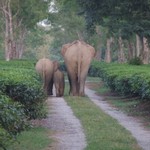 Image 1 Elephants walking down a road. Picture courtesy of Wildlife Trust of India (WTI)/Chester Zoo/Ecosys…
-
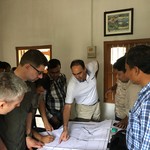 Image 2 Members of the Chester Zoo team and community conservationists discuss human-wildlife conflict redu…
-
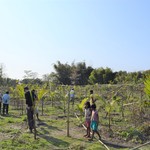 Image 3 Villagers survey a pumpkin field damaged by an elephant crop foraging event. Picture courtesy of Wi…
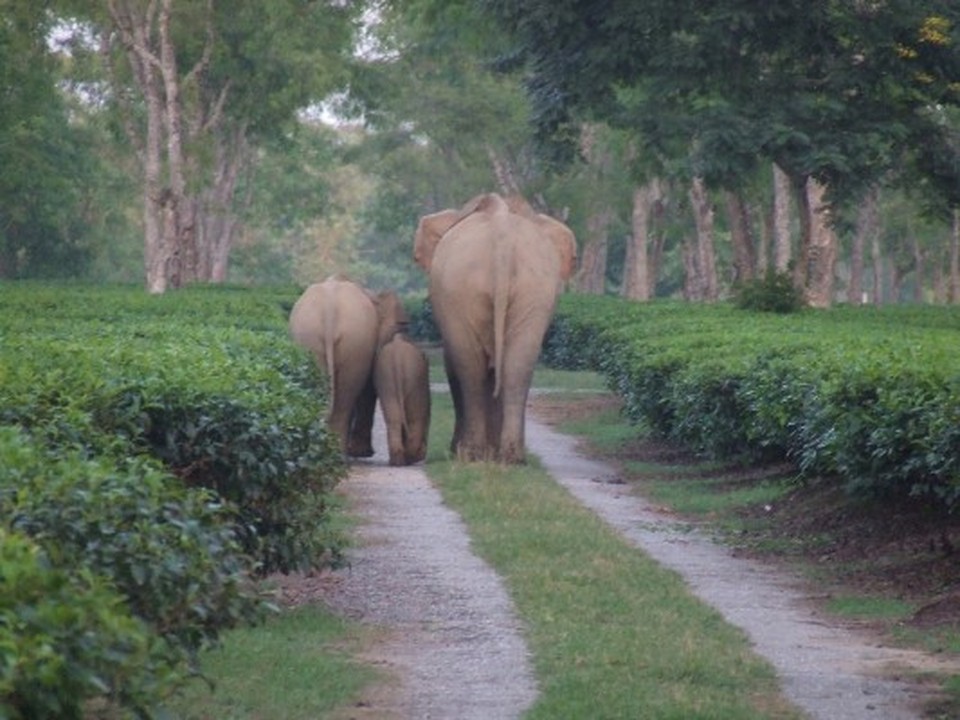 Image 1
 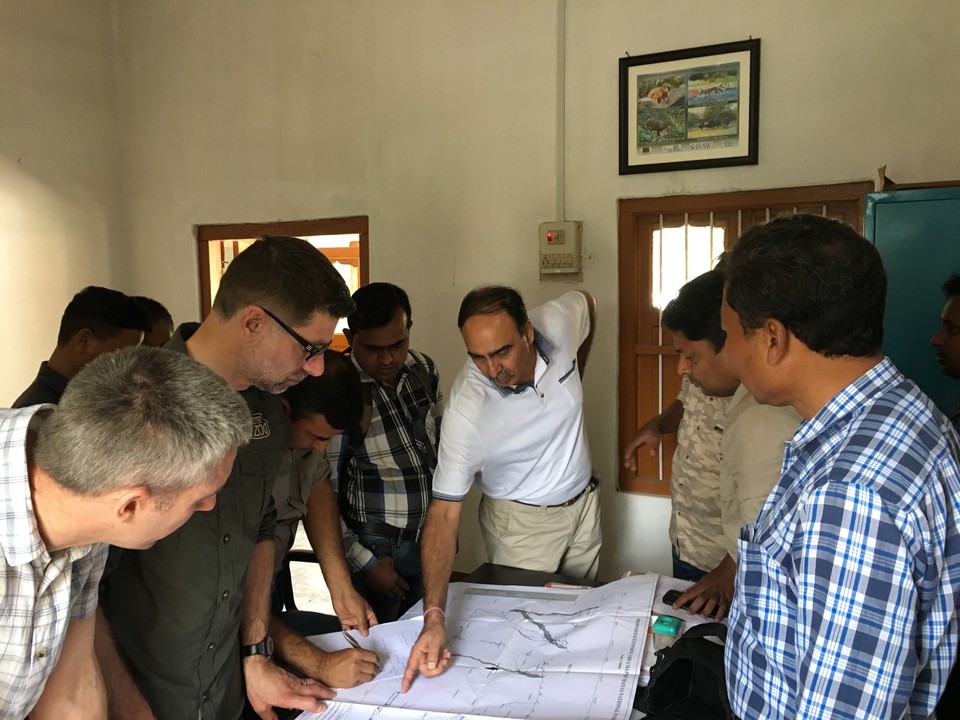 Image 2
 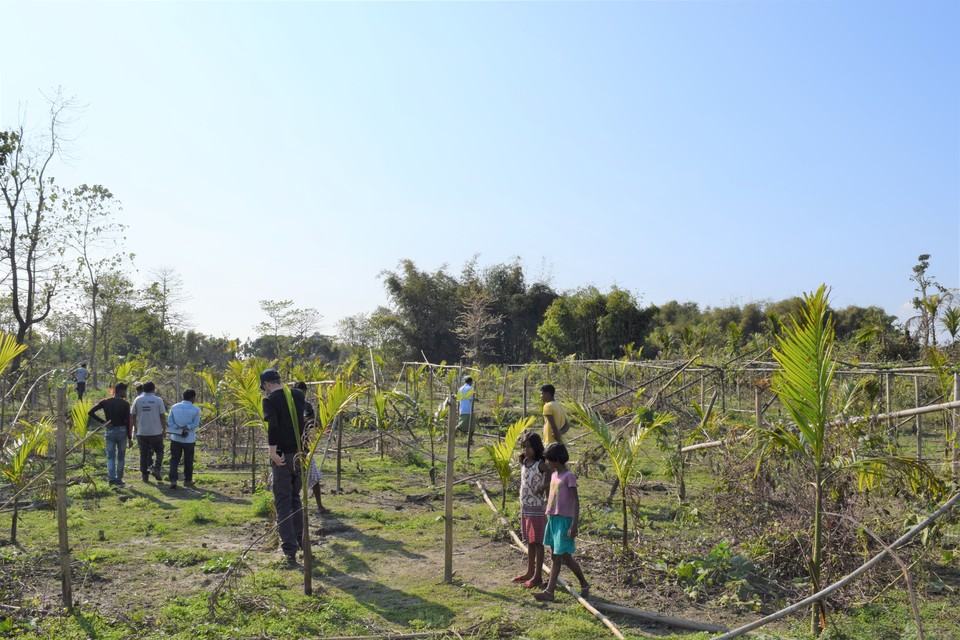 Image 3
 A recent publication, which brings together data from 15 variables such as human population density, proximity to protected areas, and climate conditions, is the first phase of an ambitious human-elephant conflict mapping project.
This is not the first map of its kind, but unlike most human–wildlife conflict predictions, this map is particularly detailed, as it incorporates environmental data from the actual time of historic crop-raiding events, rather than relying on 10-year averages. This means that fine scale differences in factors such as climate are considered when making its predictions in identifying areas at risk of experiencing negative interactions between people and elephants.
Uniquely, for phase one of the project, the authors used ten different algorithms to analyse historic data. They drew on information from almost 2,000 negative human-elephant incidents to produce a robust way to predict the likelihood of further incidents in particular areas.
For the novel second phase, more than 1,000 people have been surveyed across the project area, which covers roughly 2,000 km2. The detailed surveys, which track public attitudes to elephants, were carried out by trained social scientists for the Wildlife Trust of India, in the Wayanad region. The data has already been analysed through modelling software and the results incorporated into the map, and phase two will be submitted for publication shortly.
The researchers say that hotspot maps based on damage reports alone ignore contributing factors, like changes in climate and ecological conditions, but most importantly the attitudes of the people who experience these encounters with elephants.
Mayukh and Jacqui say that hostility to the presence of certain species among a community is itself a form of human-wildlife conflict, whether or not that community has previously experienced property damage or direct interactions with the animals.
By overlaying the variables accounted for in phase one with community attitudes, the map will predict hotspots of true human-elephant conflict.
While the current project focuses on Kerala and elephants, there is potential for it to be adapted to other regions and other species, allowing conservationists to carry out targeted mitigation measures in hotspots all over the world.
Comments from the authors:
Jacqui Morrison:
"Elephants are intelligent and charismatic animals, but their habitat has shrunk to seven per cent of their historic range. To them, a field of crops is a highly nutritious source of food. But to the subsistence farmers and wider communities, a crop foraging event can be a real threat to their livelihoods and welfare.
"Wayanad district in the southern Indian state of Kerala is the site of key habitats for elephant herds, but approximately 70 per cent of that land is now used for agriculture, mainly rubber and coffee plantations.
"Conservationists are aware that interactions can negatively impact both elephant and human lives and put mitigation in place, however conservation resources are always limited. This work will help them prioritise high risk areas.
“The idea is that conservationists along with forestry departments and organisations such as the Wildlife Trust of India, can use this map on the ground.”
Dr Mayukh Chatterjee:
"Human-wildlife conflict has generally been measured in terms of the reported damage to humans, animals and property. It's been assumed that reports of crop raiding events are proportional to conflict. But the issue is more complex than that, and by relying on reported damage as the sole metric, there's a risk that the current picture is grossly erroneous.
"We believe intolerance is a primary driver of conflict. It's important to realise there may be regions where elephants are encountered frequently and peacefully, or regular crop foraging events are tolerated by people. In contrast, there may be regions where encounters with elephants are rare, but they are met with much greater intolerance. There's a disconnect between damage and retaliation that is not reflected in the existing literature that tries to identify conflict hotspots."
Chester Zoo
Advertisement
Stats
- Recommendations n/a n/a positive of 0 vote(s)
- Views 508
- Comments 0