Authors
Valère Maurice Hofstetter
Published in
MPRJ (My Personal Research Journal). Volume 1. Issue 1. Pages 1. Apr 2021.
Abstract
Microbial fuel cell (MFC) is a subject of intense research and even more so with the need for alternative energy source to tackle the climate change crisis. Since its invention more than a century ago, MFC are still fundamentally the same. Here I report the preliminary results of experiments on the recently invented mono-chamber microbial fuel cell (MMFC ref.1) design, exploring the electromagnetic fields of photosynthetic organisms widely available. The results presented suggest this MMFC is in reality a "tunneling battery".
The experiments presented are suggesting that electrolysis and other oxidoreduction reaction performed using the newly invented MMFC designs, results in an oxidation delocalized far away from the anode and a reduction localized around the cathode and complex with new light dependent properties. It suggest that electrons from MMFC design originate from tunneling effect picked up and scaled up by the MMFC design and its electric circuit. Those experiments strongly suggests that electrons picked up by the MMFC design are different to regular electron in the sense that there are tuned for tunneling with less energy and more momentum.
Those unexpected results will be useful to help prepare and design further experiments with more sophisticated instruments to measure the electron band structure, the "asymmetric" or rather delocalized electrolysis and the permanent changes in electric and magnetic properties of materials exposed to this phenomenon.
-
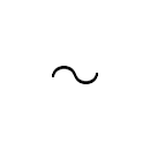 Image 1 Symbol for a AC current with normally an alternative tension and current
-
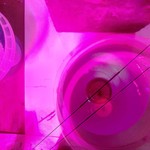 Image 2 superposition of the compass PBR and its negative control with a fixed viewpoint.
-
 Image 3 Symbol for a mixed current made of DC current and parasite AC signal. This symbol is quite convenie…
-
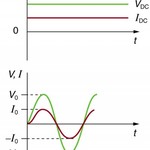 Image 4 Comparison of regular DC and AC current ,
-
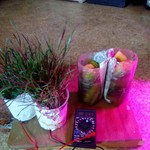 Image 5 1.On the right the second version of Spirupile with a continuous connection with an aluminum foil a…
-
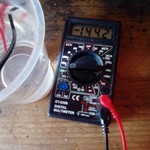 Image 6 Measure of voltage of water exposed to electromagnetic field form the tunneling batteries
-
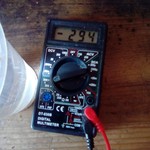 Image 7 Measure of resistance
-
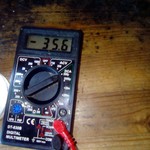 Image 8 The polarity changes happens often and the value microAmp values changes along the measurement.
-
 Image 9 You are not looking at Kessler, nor Aragno, or Jutz, nor Michel, nor Berthoud, nor Berthoud-Rochat…
-
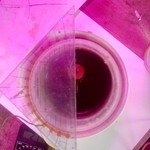 Image 10 The compass PBR seen from above. Using a ruler and a piece of paper one can draw the line indicatin…
-
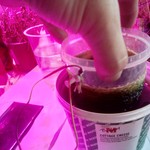 Image 11 This is the compass PBR, which suggests that the current itself is magnetized by exercising a force…
-
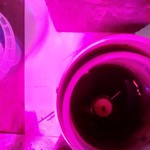 Image 12 HDR picture of the compass PBR with no added electricity
-
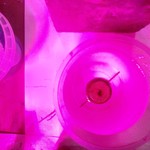 Image 13 HDR picture of the negative control for the compass PBR with a fixed point of view.
-
 Image 14 Iron electrode used for electrolysis using a tunneling battery gets magnetized overtime.
-
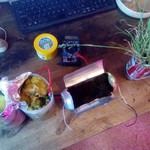 Image 15 1.On the left a Spirupile with foam using a aluminum foil from the bottom all the way up on both bo…
-
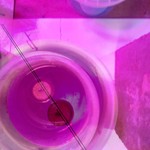 Image 16 The addition of a "regular" electron source appears to reduce the angle.
-
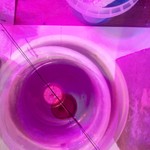 Image 17 The addition of a "bio" electron source appears to increase the angle.
-
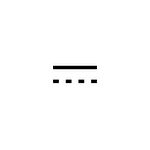 Image 18 Symbol for a DC current with normally an stable tension and current
-
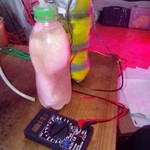 Image 19 Original "Spirupile", the MMFC accompanied by a "Yeastopile".
-
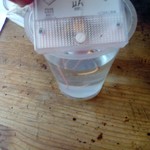 Image 20 Water exposed to electromagnetic fields generated by the "tunneling battery" exhibit similar electr…
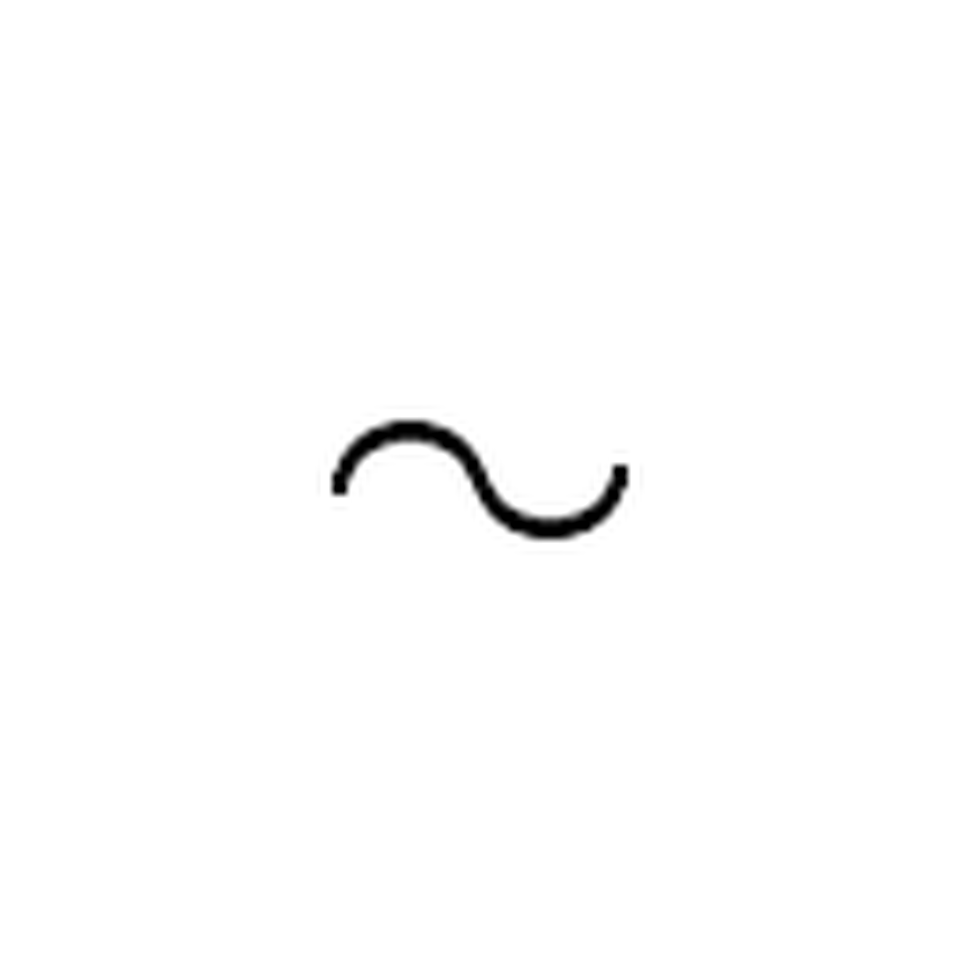 Image 1
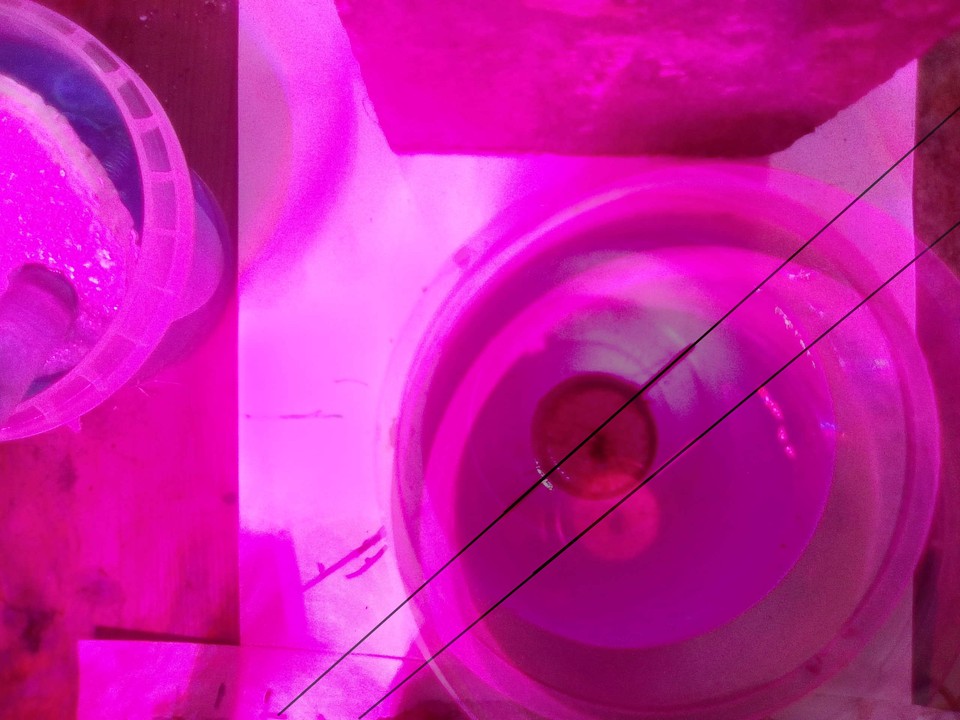 Image 2
 Image 3
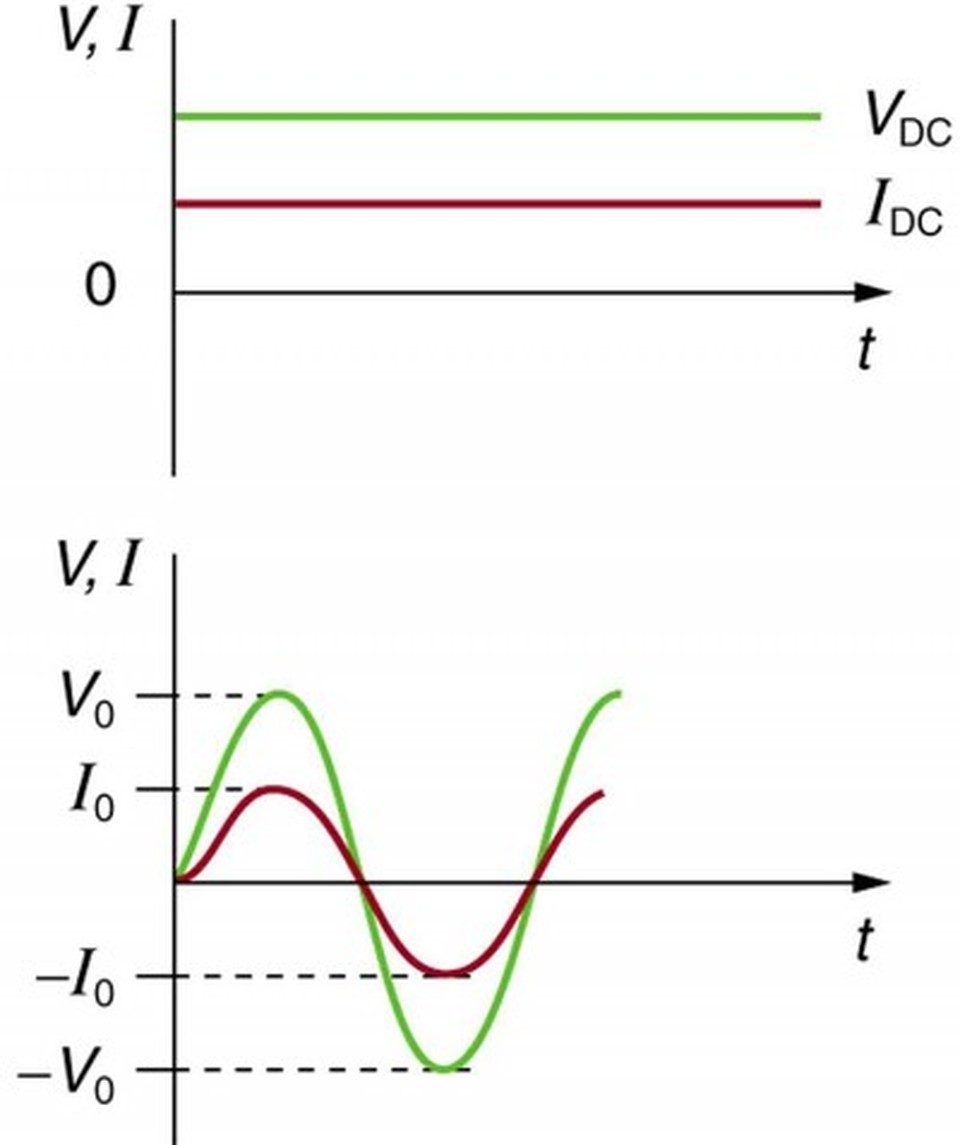 Image 4
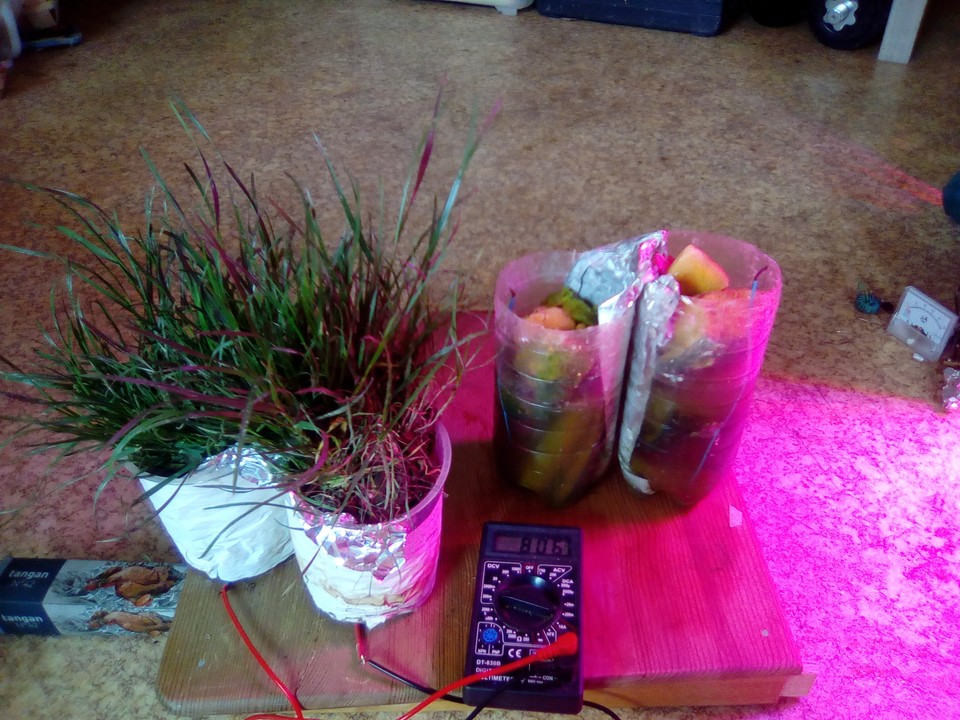 Image 5
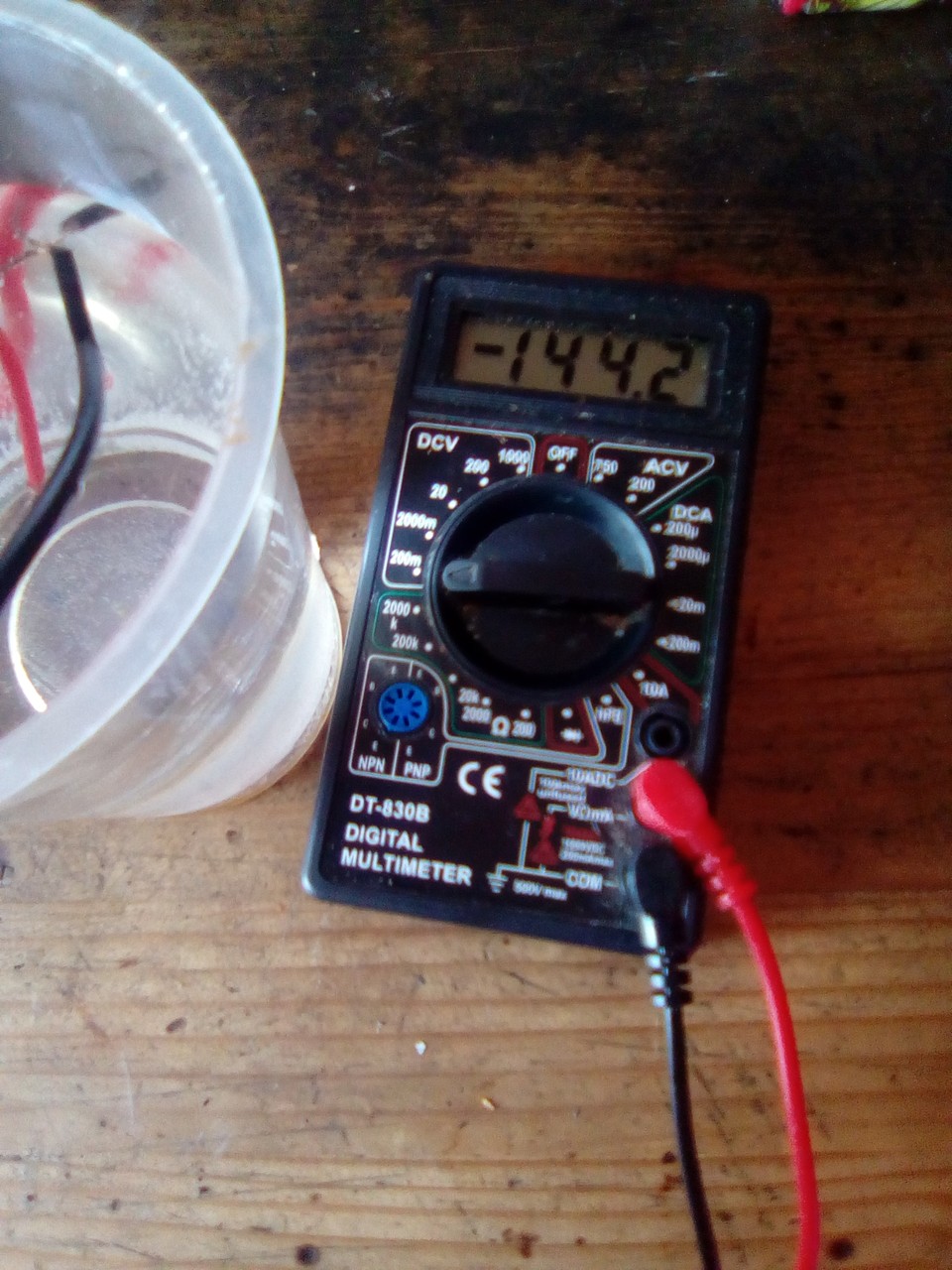 Image 6
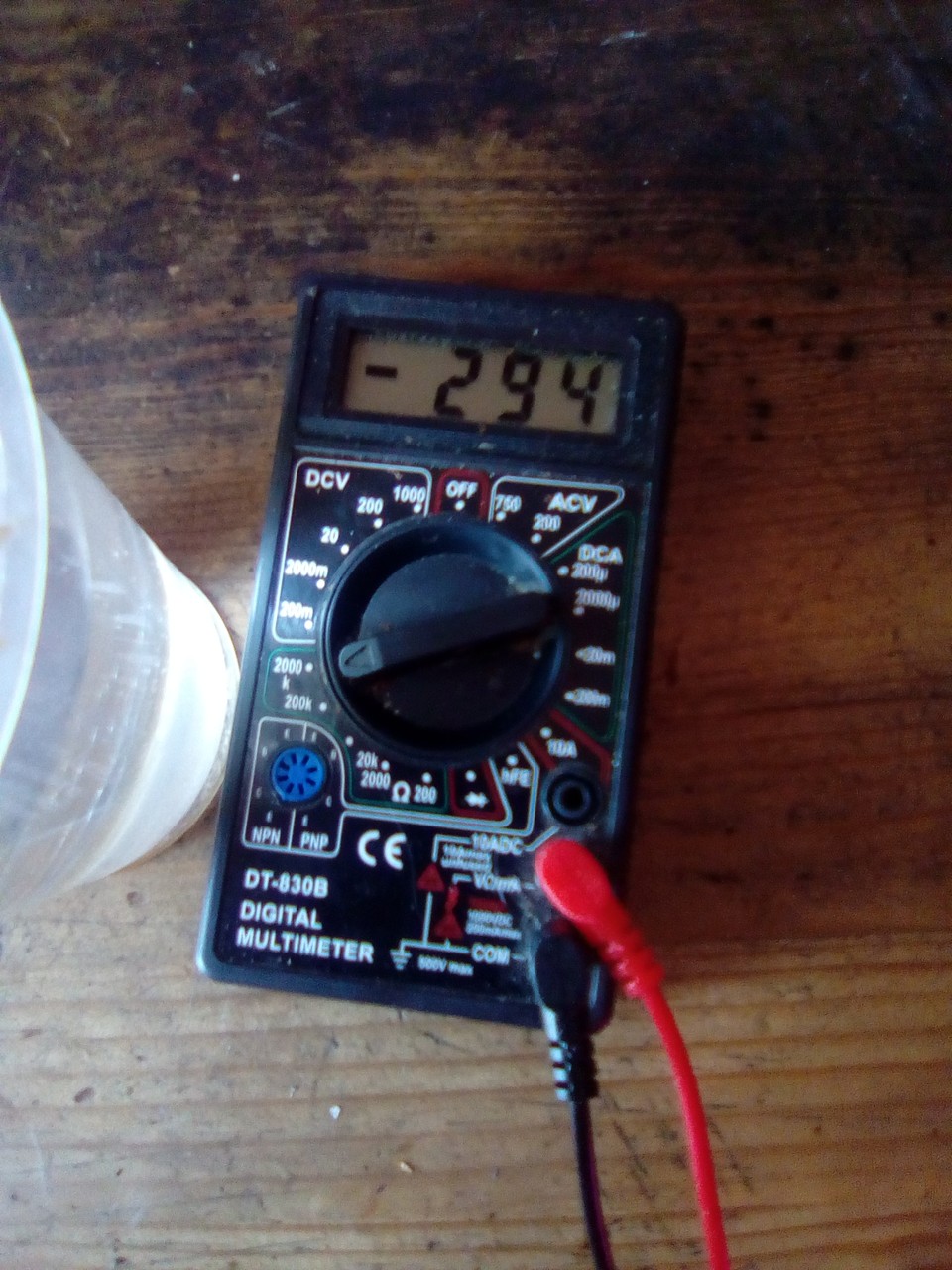 Image 7
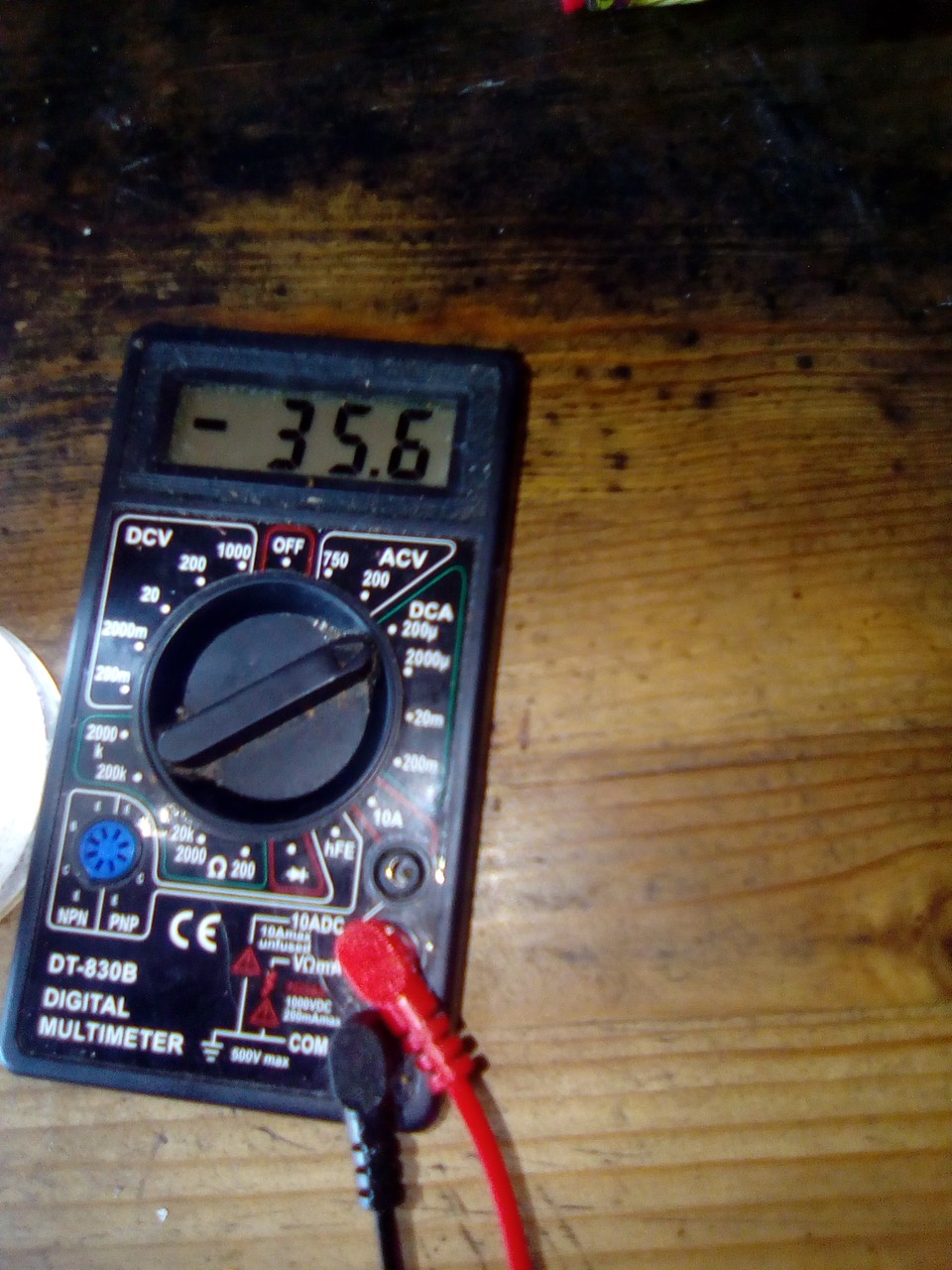 Image 8
 Image 9
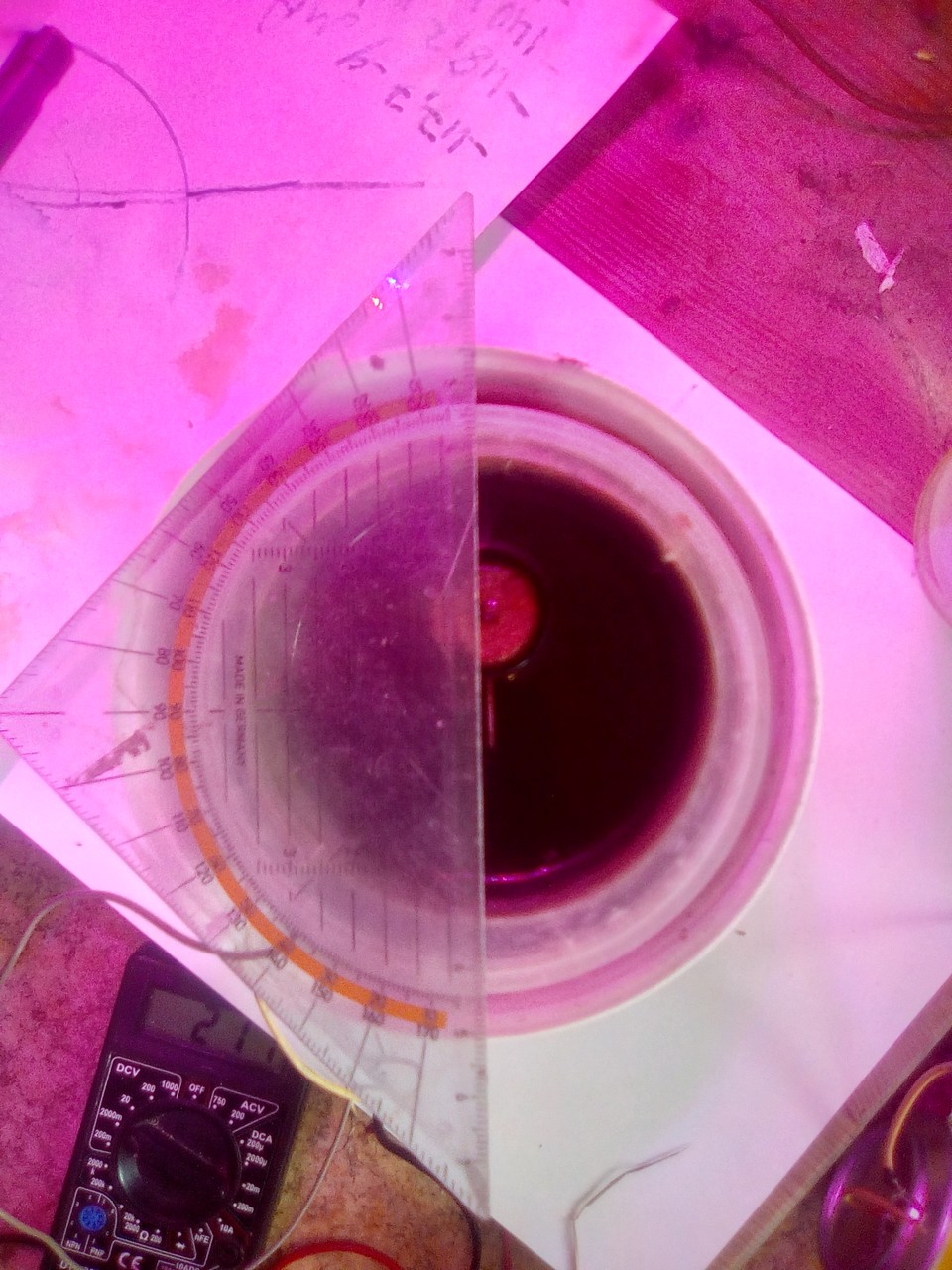 Image 10
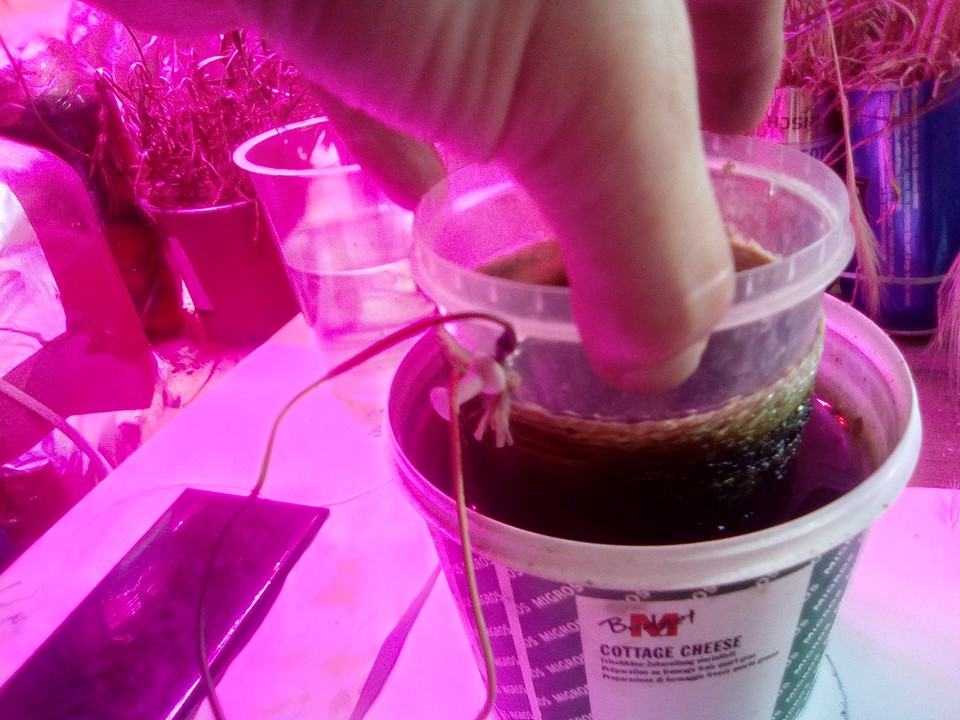 Image 11
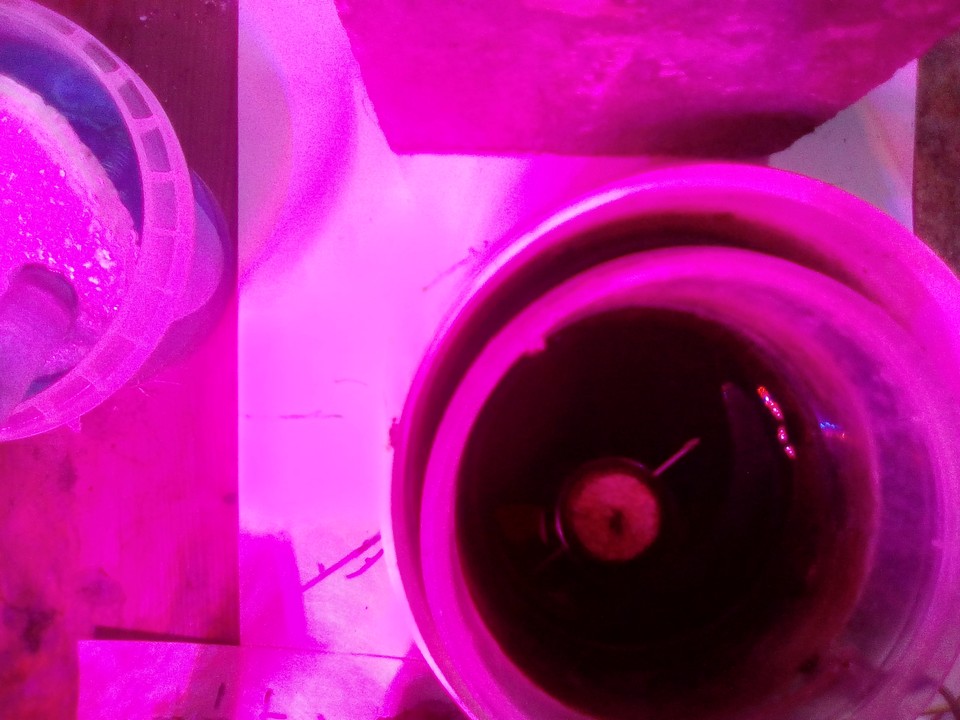 Image 12
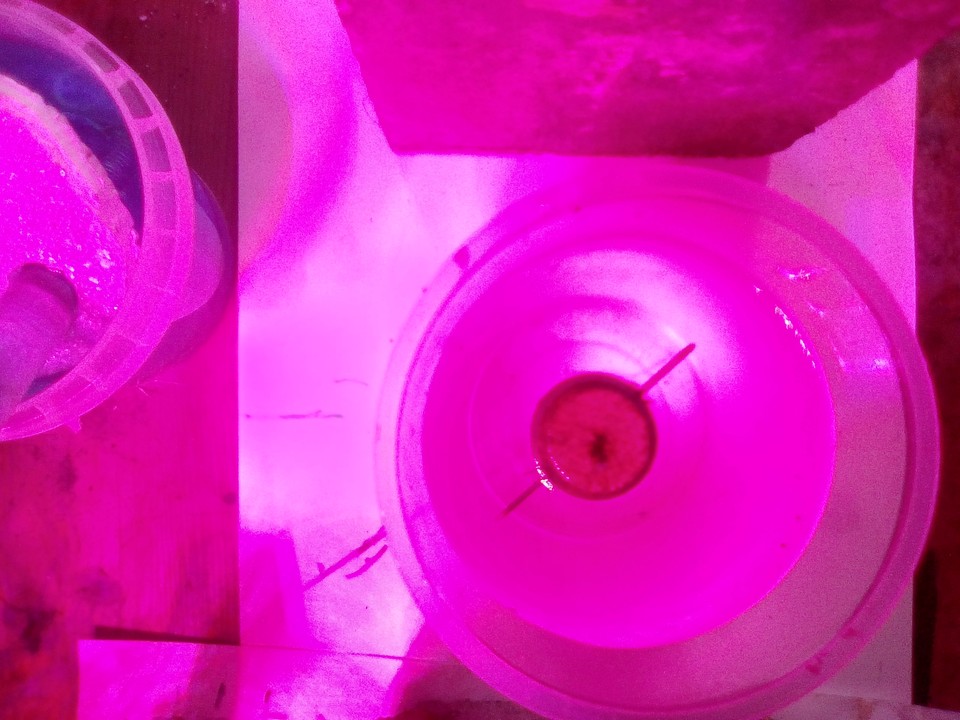 Image 13
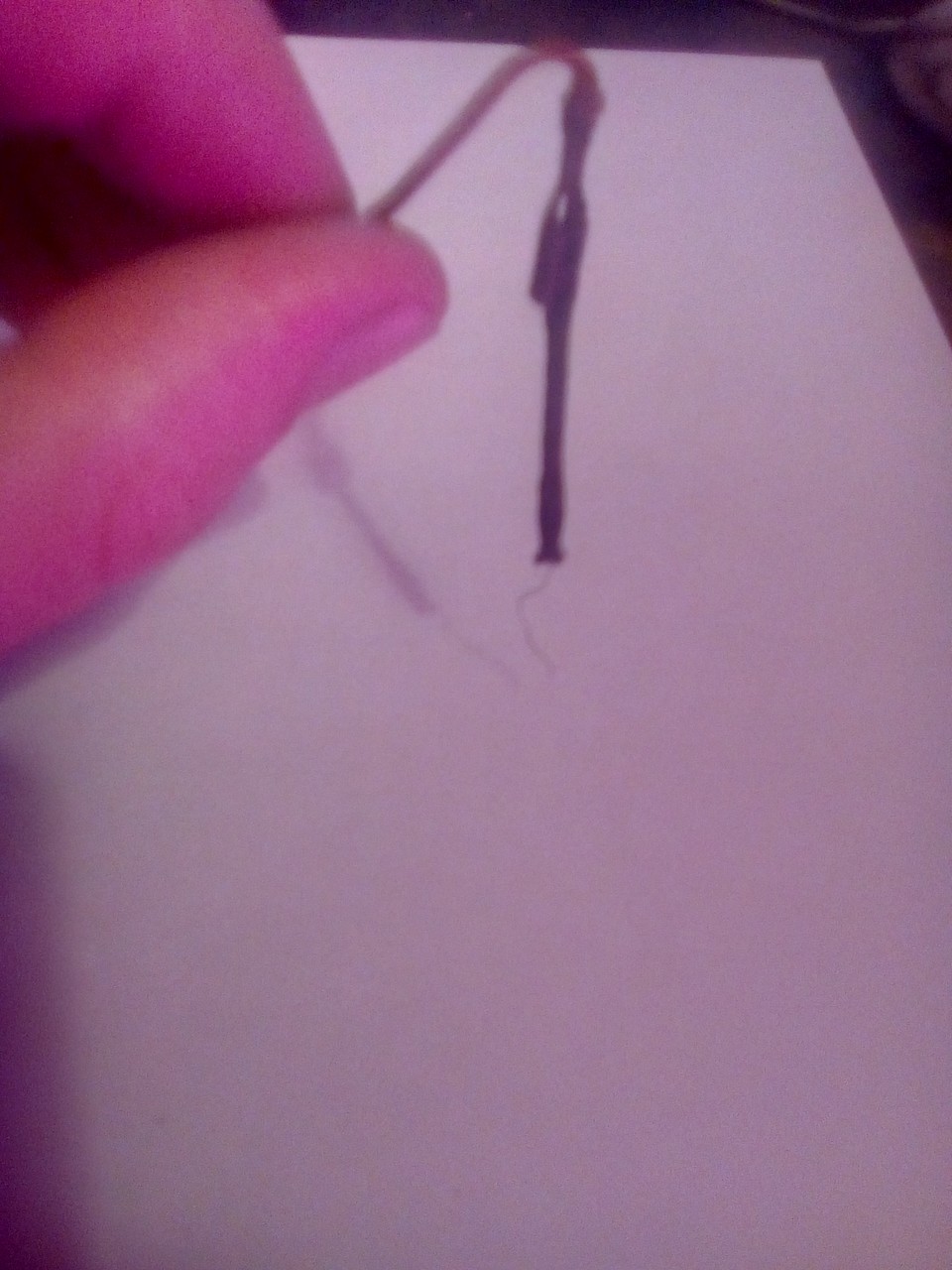 Image 14
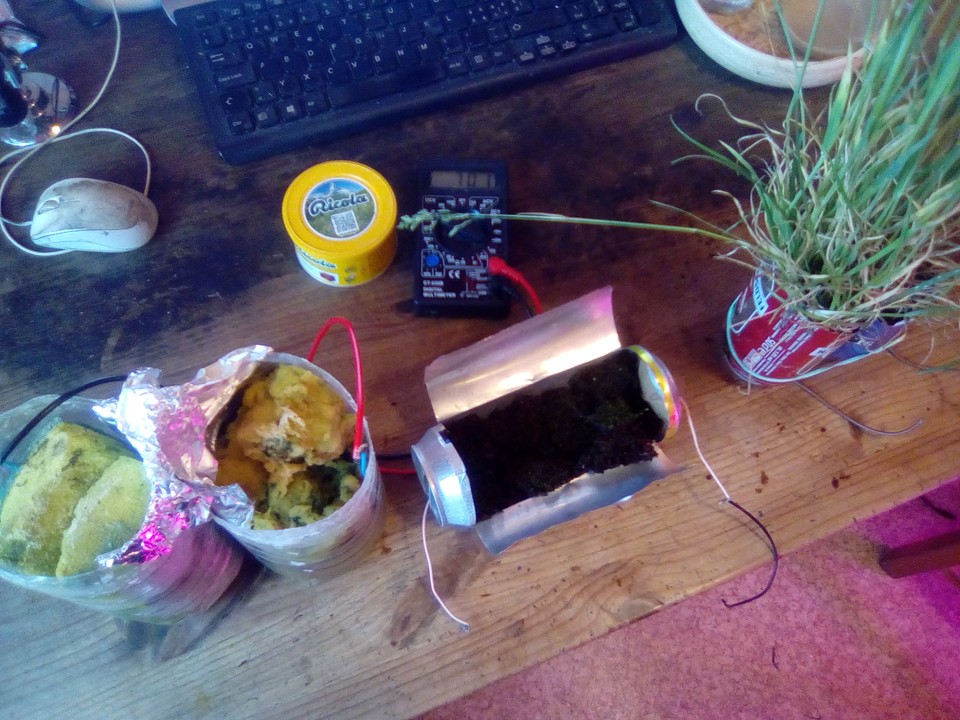 Image 15
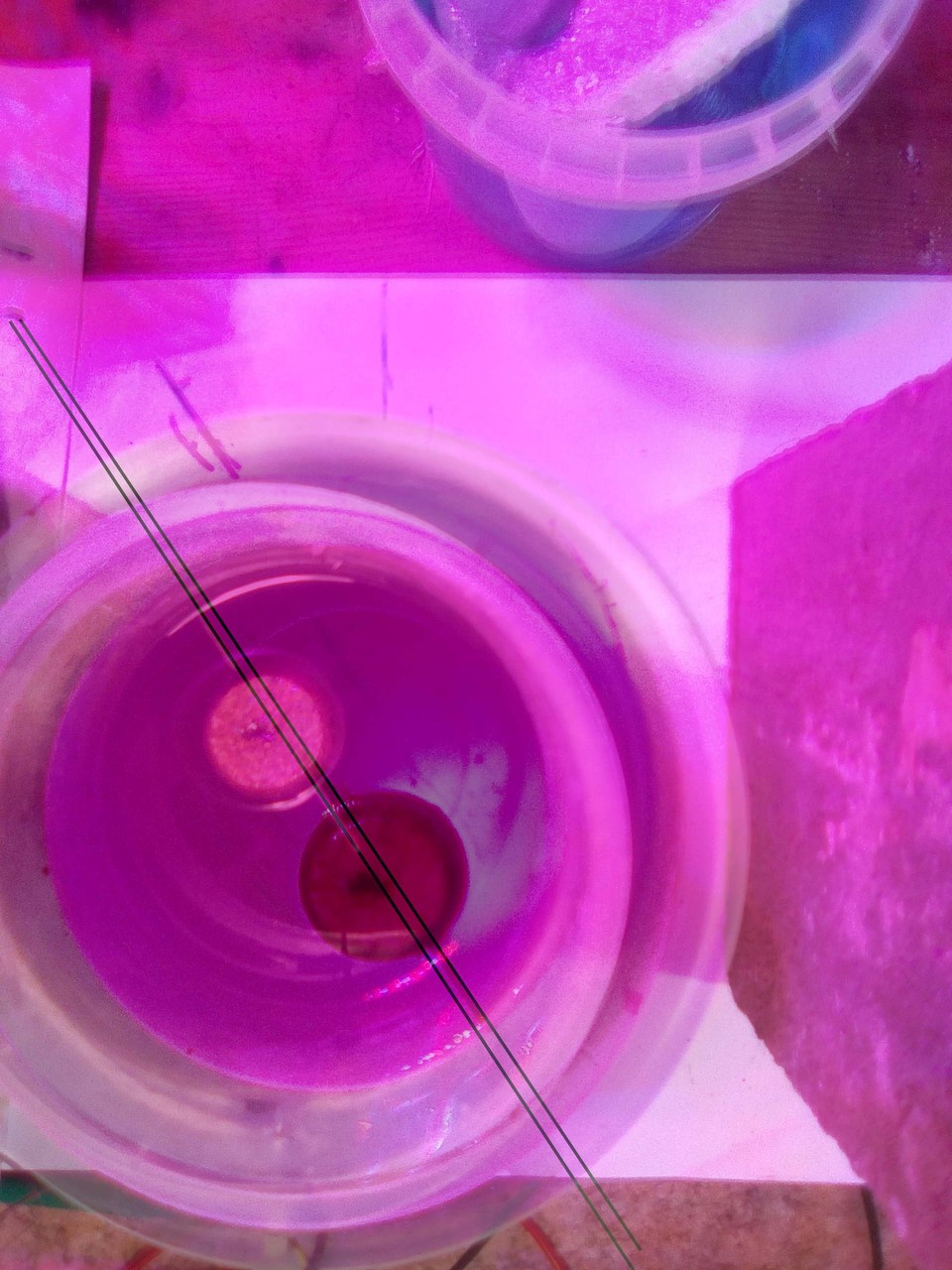 Image 16
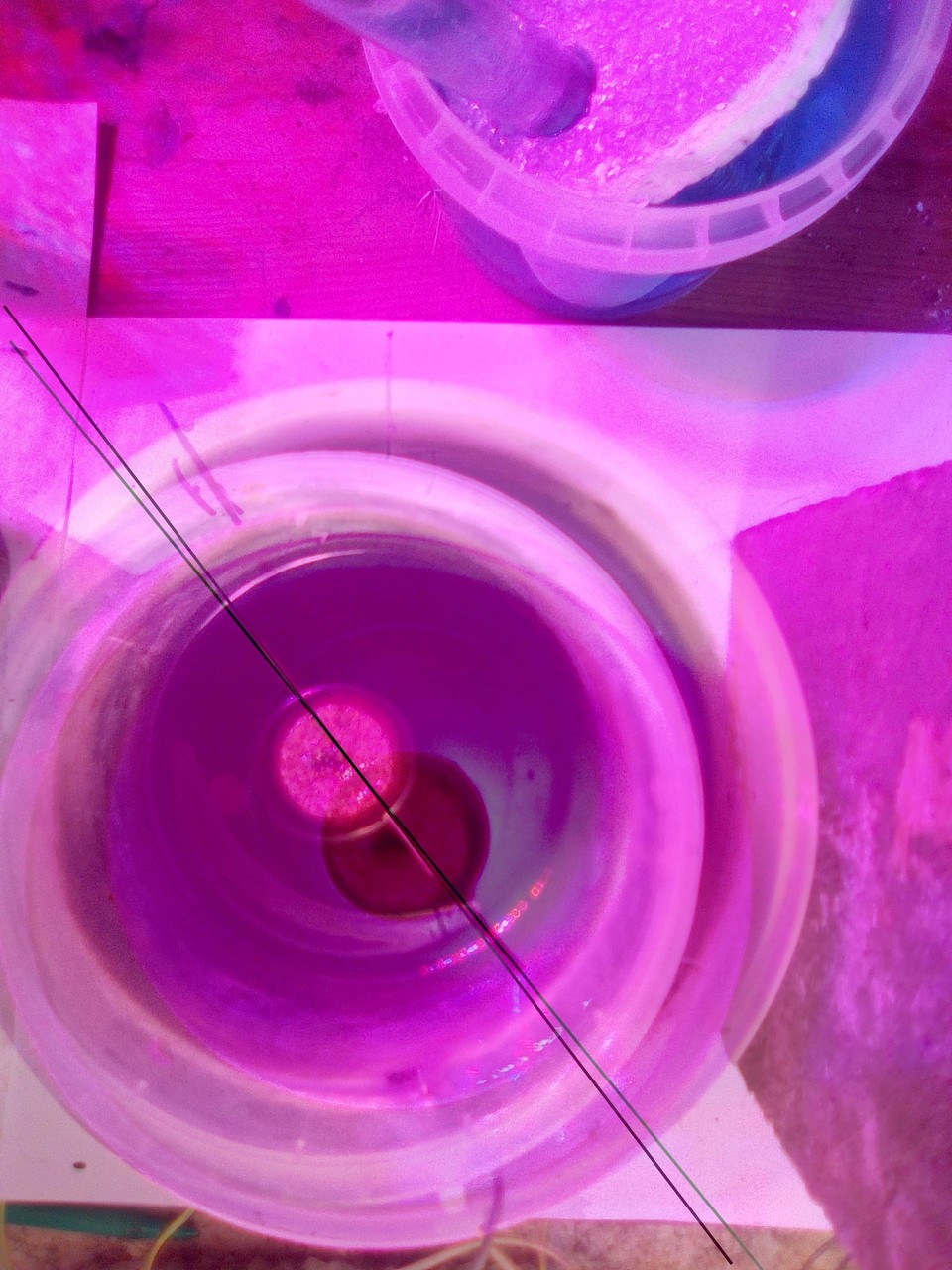 Image 17
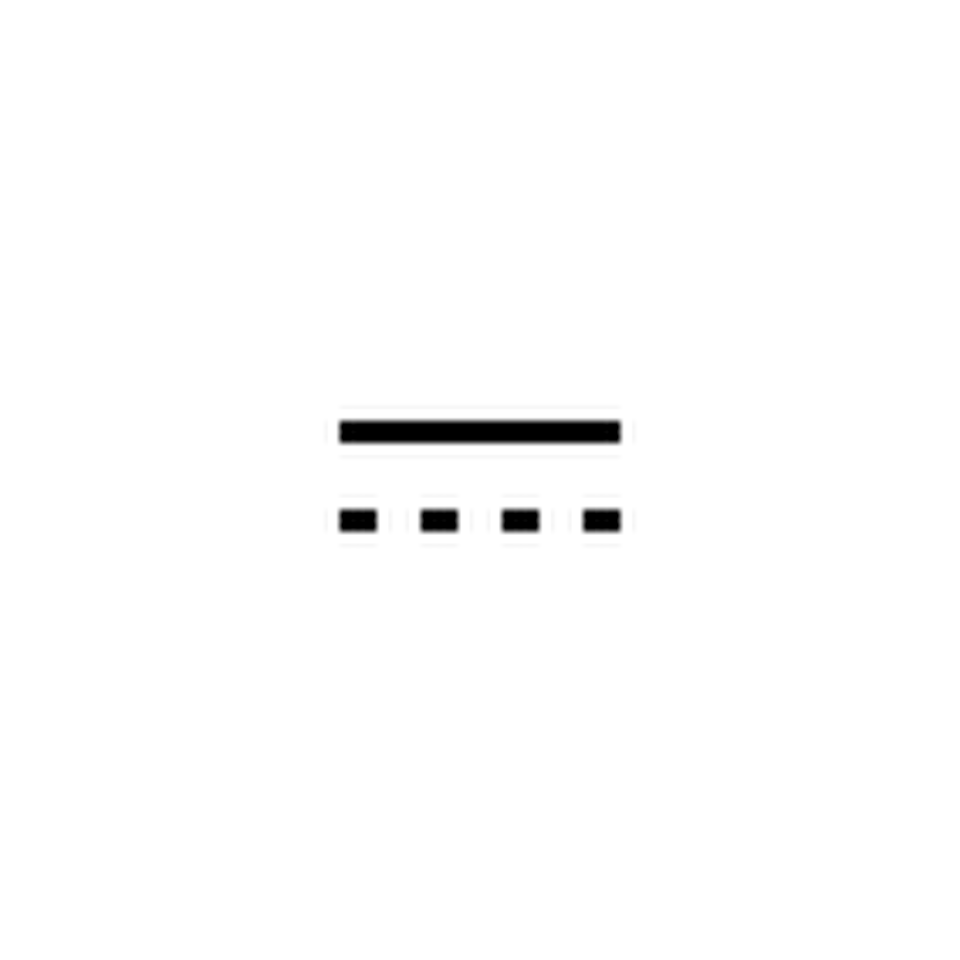 Image 18
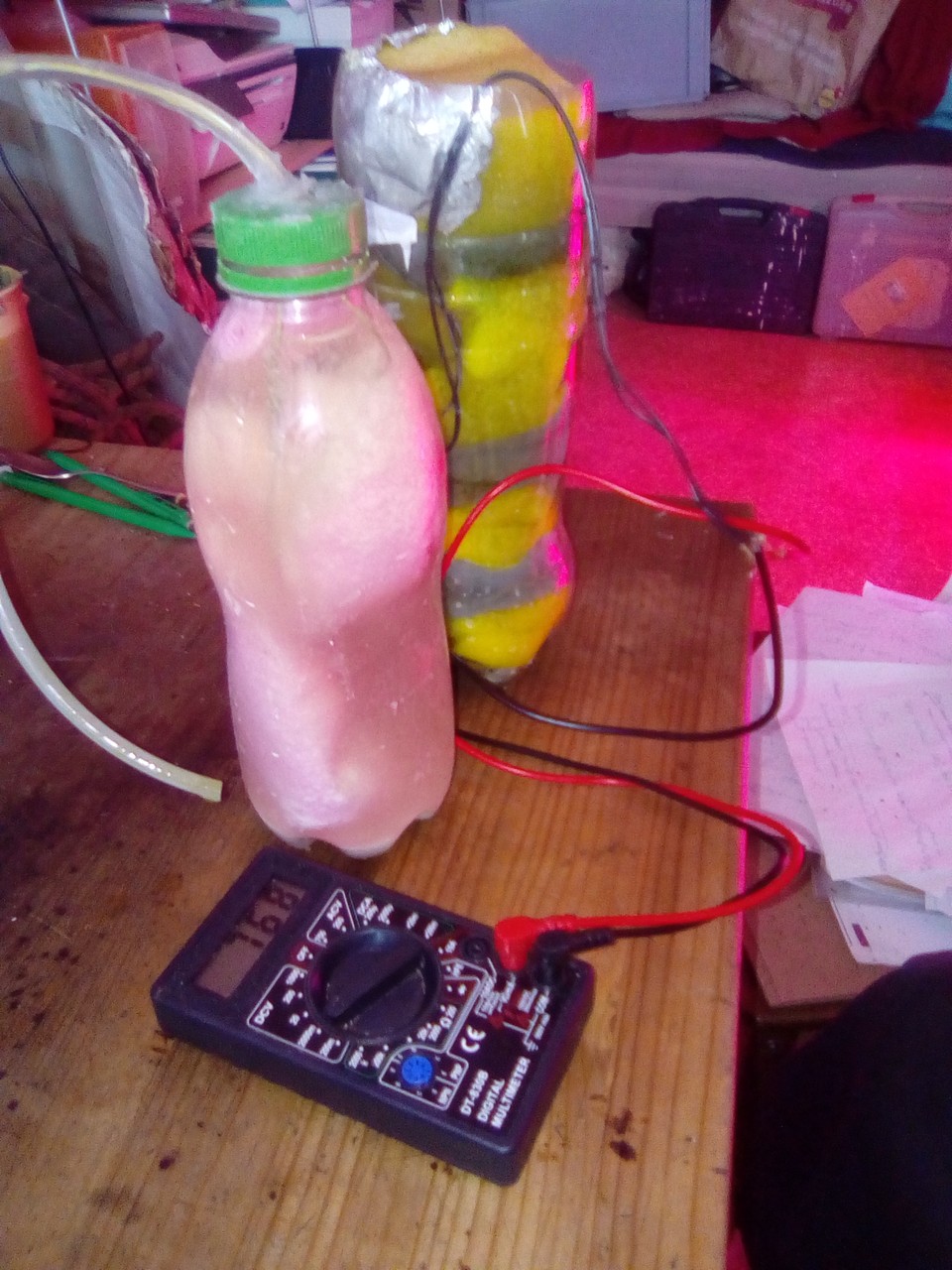 Image 19
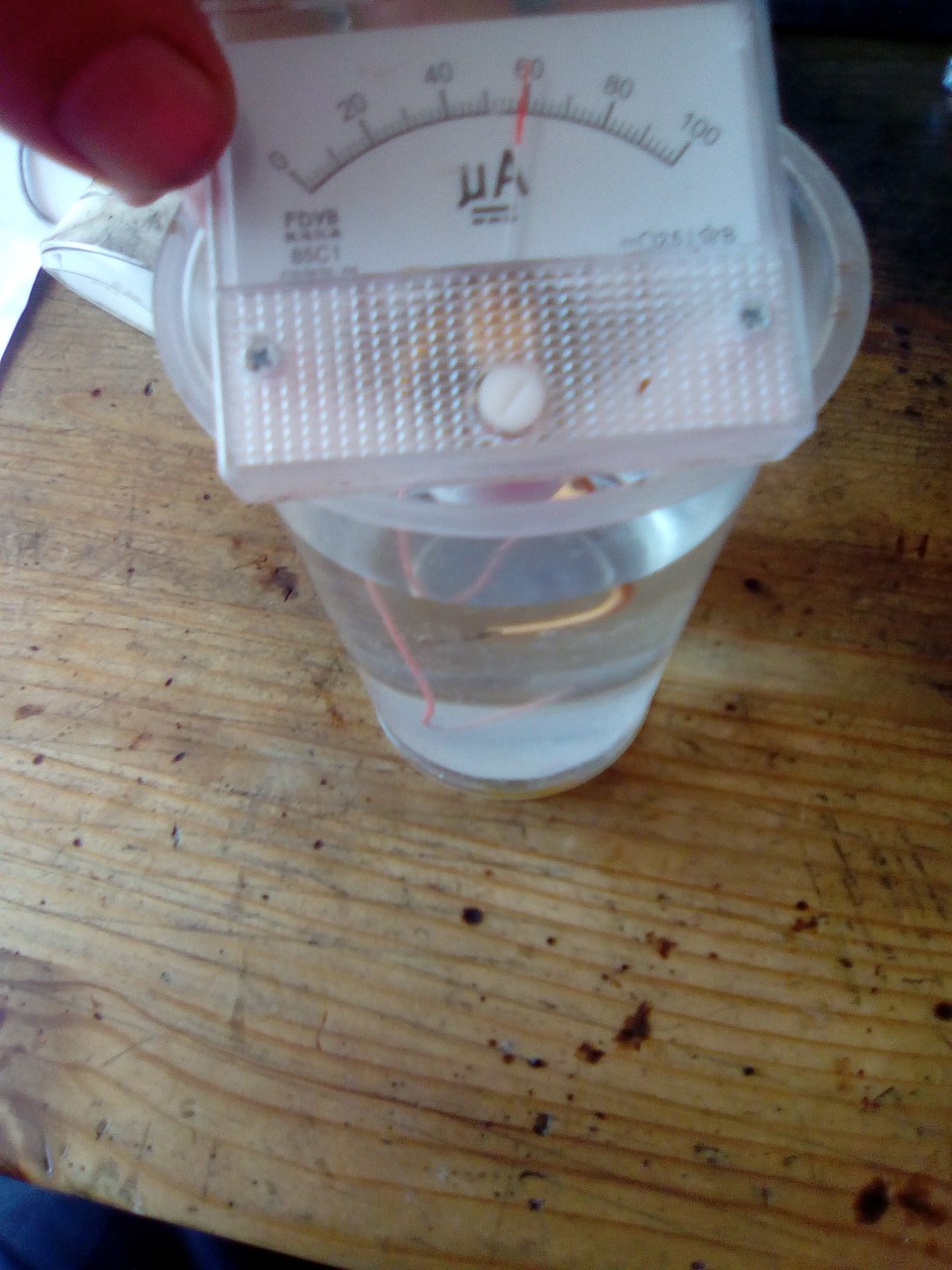 Image 20
Introduction
Starting a report by referencing my own protocol might sound somewhat a little out of place. However all the results presented in this reports are the logical following of this first MMFC protocol (Ref.1). The very first experiments are still running and have been producing electricity with very little maintenance during almost the last 6 month.
Since the discovery of electric current production in Spirulina biofilm earlier this years, I have tried several material for the support and shapes. Among those trial, the "compassPBR", which has been demonstrating consistently a weak and variable magnetic force parallel to the current flow Fig.. It could be interpreted by the magnetization of electrons flow. This electron flow can be modulated using electronic devices, which changes the empirical rule |R| >|U|>|I|. The resistance can be lowered along the voltage and the amperage increased overtime. This will be the subject for another entire report dedicated. Here are the different batterie which evolved from this first protocol.
Algae biofilm, bryophyte and plants exhibit a similar partially unexplained electromagnetic phenomenon. An electric current can be harvested from these fields using a a similar design of MMFC. The term MMFC might not be appropriate as bacteria involvement is not proven but for the Spirulina MMFC. This previously undescribed "green current" appears to be strongly magnetized. It does not strictly respect Ohm's law U=R*I but rather the empirical rule |R| >|U|>|I|. This empirical rule is valid only without modulating devices like capacitor or chemical batteries. These electrons appears to hold less energy and maybe more momentum. Those particular electrons could explain permanent resistance changes in conductive material exposed to this electric phenomenon. It should lead us to a new understanding of certain aspects of photosynthetic organism physiology but also electron physics, especially resistance measurements.
The "recycling" of those apparently unused electrons could also make us reconsider energy conversion rate from solar energy to usable energy from biomass. The use of this design could lead to a new type of exploitation of bioenergy. At the contrary to biofuel in the classical sense, this type of exploitation of usable energy would require little input energy. Further studies should be focusing on energy measurement of these tunneling batterie. As the energy content of chemical rechargeable battery recharged using these "bio" electron appears to be lower. Furthermore measure of current in water exposed to these electromagnetic field should be taken with caution when it comes energy value. The magnetic component of this electricity might be tricking amperage measure using classical apparatus. Despite the difficulties that lays head for the calculation of energy return, these design could have many applications in many fields from agriculture to space exploration.
Finally contact less current transmission can be measured in between plants, bryophytes, spirulina biofilm and algae consortium of fresh water on stones. It suggests electromagnetic transmission intra and inter species, which could be the results of electromagnetic transmission and resonance. It might add a new layer to our comprehension of ecosystem structuring factors previously invisible and undetected.
Bryopile
Following the first MMFC, the "Spirupile" made of a spirulina culture on synthetic foam with two electrodes on top and bottom, I could not help myself wanting to try natural moth. In French, foam or moth is called the same name "mousse", so it seemed logical to me to try it out. To go step by step along the tree of life, I should have first tried eukaryote algae (coccolithophores for instance), then Thallophyte, then Bryophyte and finally superior plant. First experiments with Thallophyte were not conclusive and are still going on. Bryophyte are photosynthetic multicellular organisms otherwise quite close to an algae biofilm as they don't have roots or complex lignified structures. I started to make measurements by planting my two multimeter electrodes in a single piece of moth I had just picked up half an hour earlier on wall in my neighborhood. I had picked up the moth at pure random and it was a mix of species. I placed this band of moth on a dry brick. I had already measured a very small tension and current but while moving my experiment, I accidently broke into two the pieces the moth. To my surprise a tension of around 10-15 mV persisted for a little while. A friend of mine present at the time, Mr. C. Henchoz suggested to elevate one piece to see the effect. I agreed and we tried it out. Suddenly the voltage dropped to 0. Therefore I wondered if it was the reduction of resistance or the distancing. Therefore I used an even less conductive support than a dry brick, a large plastic spoon with the second piece of moth on the brick at the same height and distance as previously. The voltage remained at 0. Therefore I wondered if the opposite was true and placed the two pieces of moth a single piece of aluminum foil and placed the multimeter electrode under the pieces of moth. On this small piece of aluminum (ref. Facebook video) I adjusted a little the moth and suddenly the voltage immediately spiked up and hoovered around 500 mV DC and around 0.3 V AC and less than 10 microamps. However to my surprise, I could not measure the resistance on my multimeter ranging up to 2000 kOhm. That's how the "moth battery" or the "Bryopile", (the name is up to the popular vote), was born. It has a very similar current to the "Spirupile".
Phytopile
If it worked with moth just like spirulina on foam, why wouldn't it work with superior plant. Twice I have made the same experiment with a clump of grass with its clod of earth. Less than 10 minutes after picking up two clump of grass, I placed it on a conductive supports. At the beginning one can make a negative control by measuring the resistance in between two point A and B on the aluminum foil. Once the two clumps of grass are placed on the point A and B, on can see resistance modifications and some voltage activity within minutes. By just placing altogether in two plant pots the two clumps of grass on a single aluminum foil with two a copper cables underneath each clumps, you obtain a MMFC with plant, lets call it a "Phytopile". After three days, the DC tension in between two clumps reached a 800 mV, 0.9 volt AC, 40 microampere and a resistance above 2000 kOhm. Unfortunately connecting those batterie in series appears to be somewhat challenging. The first MMFC Spiruplie had similar issue. Connecting them in series sometimes works and sometime the tension doesn't add up but substract or average out .
Spirupile v.s Bryopile v.s Phytopile
Spirulina on foam, moth or a clump of grass all behave similarly on an aluminum foil with an electrode underneath. However the timing might differ on the type of organism, the number of units connected and their shape. In a general manner, first one can witness an increase of resistance in an irregular manner and with a pattern that might be organism specific. Usually one cannot measure tension nor current at the beginning and it takes sometime for it to set in. Very often, once the tension reaches around 60 mV, the current starts to be measurable in microAmp.
Material and methods
A Spirupile is originally simply a bottle with foam and electrode at the bottom and top. The bottle can also be position horizontally too with the two electrode at each sides.
For real moth it is not possible to just pile it up vertically in a bottle because it would damage them. However they can be place horizontally in plastic bottle or in an aluminum can with two electrode at each side.
Bryopile and Phytoplie
- Material:
-aluminum foil
-copper cables stripped at each end
- two containers
-One band of fresh bryophytes of a single species or a consortium of species
- Method:
Here is two ways to harvest the electric current:
- Two electrodes at each side or on top and bottom with the foam. Aluminum foil or stainless steal or copper foil has been tested successfully as electrodes. Adding one electrode in copper and the other in aluminum did not seem to affect the results.
- Two pieces of foam or moth are placed on a piece of conductive material and a cable stripped at the end of half a centimeter.
-
Results and discussion
One of the main results is that a piece of foam with a spirulina biofilm or a piece of moth essentially has a similar electric behavior but with significant differences in dynamics and absolute value of voltage, resistance and amperage. They can all produce an electric current that is either mainly AC or mainly DC. The % of AC to DC current can vary from 30% to 140%.
The reason behind the DC polarity are still unknown and can therefore not be predicted. They cannot be predicated by microenvironments with different electronegativity nor by a chemical oxidoreduction half reaction. Preliminary experiment suggest that medium strength permanent magnet don't appear to have a significant effect on the polarity nor lasting effects on the current characteristics of Spirupile when placed next to the electrodes, on either side with either polarity. Further experiment are need to study the effects of magnet on those battery. Claims of effects of magnets on plant growth, specially germination are numerous and some publications explore some effects (ref.2). This new way to harvest an electric current from plants could offer a new tool to investigate magnetic field effect on plants. An attempt was made to influence the polarity or the current characteristic using an electric stimulations with a current around 5 volt and 300 milliamp. It did not seem to have a significant or lasting effect on the polarity. The effect on the tension and amperage was not consistent or replicable. The tension was sometime slightly decreased or slightly increased indicating a negative resistance. Once again those are preliminary results with only a few replicate on each types of the "MMFC" described.
Discussion on energy transfer
The second version of MMFC with a continuous piece of conductive material is quite unintuitive. One way to see it is that one piece of moth or foam is more charge in electrons than the other. One could then wonder why they would not equilibrate their charge being in contact with one an other. The experiment demonstrate that tension instead increased and remains. The second hypothetical view could be to see one piece emitting an electromagnetic signal to the other. If their a DC current it is because one piece talks more than the other and the proportion of exchange could vary. One observation that could plead for this view is that immediately after being torn from their environment and then ripped into pieces, their electrolysis production appears to beat their strongest and it was sometimes confirmed by high voltage and amperage measurement with the multimeter.
Another observation suggests a wireless electricity transfer. Since I have only one multimeter, I have to regularly change the connection from one experiment to another. Once I had disconnected on side of a Spirupile and already connected to the positive side of a Bryopile. To my surprise I could measure a weak tension but no current in microampere range and of course a resistance out of range. Since then I have tried nearly all battery combinations with a "Spiruplie", "Bryopile" and "Tritiplie". It ranged from 1-5 mV to more than 700 mV. In this circuit, the amperage become measurable at the microamperage range when the tension reached around 90milivolt. The resistance was always above the 2000 kOhm range. In some case, the tension was directly dependent on the distance giving the impression of a electromagnetic transmission at an optimal distance. In previous experiment (published on the author's Facebook page) I had already demonstrated that the Spirupile can enter in resonance with the frequency of the AC electric grid. It is mostly likely caused by the magnetization of the current itself. A last hint that could point to a resonance phenomenon is that the voltage values are quite unstable and often oscillate up or down.
Finally a very interesting dynamics happens at the beginning of the experiment with either the moth or the
Inherent problems linked to current characteristic measurement:
The measure of the amperage is as the resistance somewhat problematic. The results using an electronic multimeter or analogic one are not exactly the same, usually giving a higher results with the electronic device. As with the resistance measurement, the amperage changes upon measurement but in reverse. It starts at a top and drops at varying speed to a floor. The difference between the top and the bottom at can be ten fold.
For all of these MMFC the resistance is very variable, unstable and can change at least 7 units in a log scale. Electronic multimeters can indicate stable or pulsating negative value, which was once confirmed to be accompanied by current polarity inversion. The resistance most often change upon measurement and can indicate a value out of range while the tension and current indicate the resistance should be in range. When the three value are measurable they don't respect the Ohm law. Finally a very strange effects happens on all multimeters, the resistance value can change more than 10 fold by simply changing the position on the multimeter of the measurement range.
Since this current does not strictly fits the definition of known current (AC or DC), which nomenclature and symbolism be chosen to describe this current ? This current is both AC and DC, while having a amperage sign in agreement with the DC tension sign, which would indicate a DC current with AC noise. However this current comes in variable DC to AC proportion. When the AC tension largely dominate is a AC current with DC noise ? This current is proportional to light intensity, suggesting its source originate mainly directly from the photosynthetic apparatus. However this current is persistent even hours after the end of illumination.
Electrolysis with MMFC:
One of the experiment that indicate that the electric current produced is not standard is the hydrogen production by electrolysis. The fact that electrolysis is possible with a Spirupile is very puzzling as one would expect the electrolysis to happen directly underwater at the electrodes. Another puzzling fact is the fact that multimeter readings and gas production through electrolysis are not compatible and seems unrelated. I have observed gas production with very low measured tension, well below the electrolysis required minimum potential difference of 1.23 volts. It suggest that there are spikes that go unnoticed when measured with a simple multimeter. Another fact is that proportions are not always respected. Sometimes the proportions are almost equal, which could be explain by an alternative current. However, using a Bryopile or Spirupile, sometimes the gas production happened at only one electrodes, the positive. It really questions the stoichiometry of the reaction. If the current is indeed magnetized, for what ever reason, the resulting hydrogen might have magnetic properties. I could not find any references on electrolysis with only one spin electrons or with an intricated pair of electrons. They would be appreciable as a control. One hypothesis is that the magnetic component as a significant influence on the stoichiometry of the reaction.
Permanent modification of resistance properties of the conductive material used for Bryopile
One of the most extraordinary results obtain is the observation of permanent resistance modification on conductive material used for MMFC. I have measured the resistance of an aluminum foil that was used for a Bryopile. For some unknow reasons, the aluminum foil resistance measures are permanently destabilized. The result obtained is somewhat similar to the author's attempt to make graphene on an aluminum foil, which gave a variable resistance. This electric phenomenon is as far as the author knowledge a new and undescribed physical effect. A culture support with a layer of biofilm, forming circuits of charged lipid bilayer cells in a matrix of charged molecules, can logically modify the conductivity of several non-conductive support material. However, unexpectedly this phenomenon has the property of drastically modify and destabilize the measured resistance of conductive material such as aluminum, iron, copper and salt water. This effect can be measured on stainless steel and aluminum foil even days after exposition.
Expected results with lamellar PBR
All of this research started with the microPBR4D project, which is a project for a new generation of algae farm with theoretically unmatched productivity. The first system proposed for high density culture was optical fibers surrounded by a layer of foam. The last generation of microPBR4D comes with lamellar light transmitting item met to be support for sediment cell layer. I have invented it specifically for culture with high sedimentation coefficient like coccolithophores but it could work with any algae providing a sedimentation using a biologic or chemical agent. The use of lamellar bioreactor will allow to study this electric phenomenon in more detail.
Further details
References
Ref.1: https://www.lifescience.net/protocols/969/how-to-make-a-mono-chamber-microbial-fuel-cell/
Ref.2: https://www.ncbi.nlm.nih.gov/pmc/articles/PMC4154392/
Ref.3: https://www.electrical-symbols.com/electric-electronic-symbols/electric-current-symbols.htm
Advertisement
Stats
- Recommendations n/a n/a positive of 0 vote(s)
- Views 1687
- Comments 0